
SCIENCE COOKIES
Science articles with chocolate chips
Why do we like to eat chili?
Published: 10/9/2020
Author: Paulina Vargas
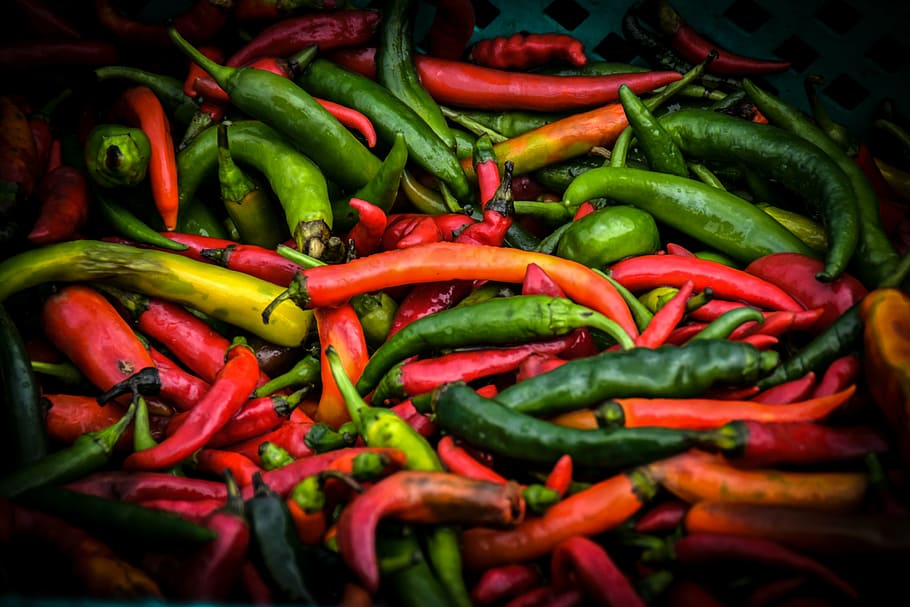
Chili is usually part of our diet, especially if we are Mexican; We know very well that the effects it causes are not the most pleasant, and despite the burning in the mouth and the watery eyes, we continue to contemplate it in our food, but why? What makes us want to eat it?
First, let's clarify something: spicy is not a flavor. It is not classified in the same category as sweet, salty or bitter, because, unlike the others, spicy is not perceived through the taste buds; Rather, it is perceived by the subtype 1 of the vanilloid receptor, called the transient potential receptor V1 (TRPV1), which are proteins that are part of our nervous system and are located on the tongue and in the mouth .
When we eat spicy food, the TRPV1 perceive the effects of the chili in the same way that they would perceive our mouth burning; But unlike what would happen if we burned our mouths with a sip of very hot coffee, chili does not damage the tissue of our tongue; however, the pain and burning in the mouth is emitted by the same signals to the brain.
What causes the spicy sensation is a chemical compound called capsaicin, which is found in glands inside the chili; This compound was originally created as a natural adaptation of wild plants to protect themselves from mammals without the birds moving away, since they are responsible for spreading the seeds of the chili through their excrement. Birds, unlike mammals, do not have TRPV1 receptors, therefore they do not perceive the burning sensation; Humans are the only mammals that voluntarily and consciously of the effects feed on chili.
The reason for consuming this food lies mainly in the fact that, in our brain, the sensations of pain and pleasure are often perceived as similar, since both activate the same areas of the cortex and release dopamine in our system. Then, the pain of chili pepper is associated with pleasant effects, an effect that can also be observed in those who enjoy riding roller coasters, watching horror movies, or any activity that causes unpleasant effects but does not represent a risk for the health and well-being of the person.
It should be added that despite its effects, chili in a moderate way is beneficial for our body, as it is one of the foods with the highest contribution of vitamin C (144mg per 100g approximately), protects against cholesterol and is effective against rheumatic diseases; This aspect is also an influential factor in our consumption of chili, because as our body likes it, we like it and it makes us love it.
References
http://www.imss.gob.mx/prensa/archivo/201810/256
https://www.bbc.com/mundo/noticias-39230926
https://www.bbc.com/mundo/noticias/2015/06/150604_salud_alimentos_vitamina_c_finde_vs
Advertising






Advertising